
Food, wine and creative activities in coastal Tuscany
A language stay becomes memorable through the small things you taste, ask for and make yourself. Around Castiglioncello, that can mean a market morning, fish by the sea, a vineyard visit, olive oil, a cooking experience or an afternoon with painting and sculpture. Offers change with season and provider, so this guide helps you find useful local starting points.
Taste the region in more than one way
Not every experience needs a formal booking. Start with the everyday life around you, then add one special visit if it suits your week and transport.
A cafe, gelateria, market stall, bakery or fish restaurant gives you an immediate reason to use Italian. Return to a place you like, ask one more question and let familiarity become part of the language holiday.
The Etruscan Coast Wine and Olive Oil Trail links vineyards, olive groves, villages and producers over a wide area. A visit usually needs a reservation and is easiest by car with a driver who will not drink.
Cooking, painting, sculpture and other workshops exist in the region, but individual offers change. Contact the current provider about language, date, group, materials and whether an individual traveller can join.
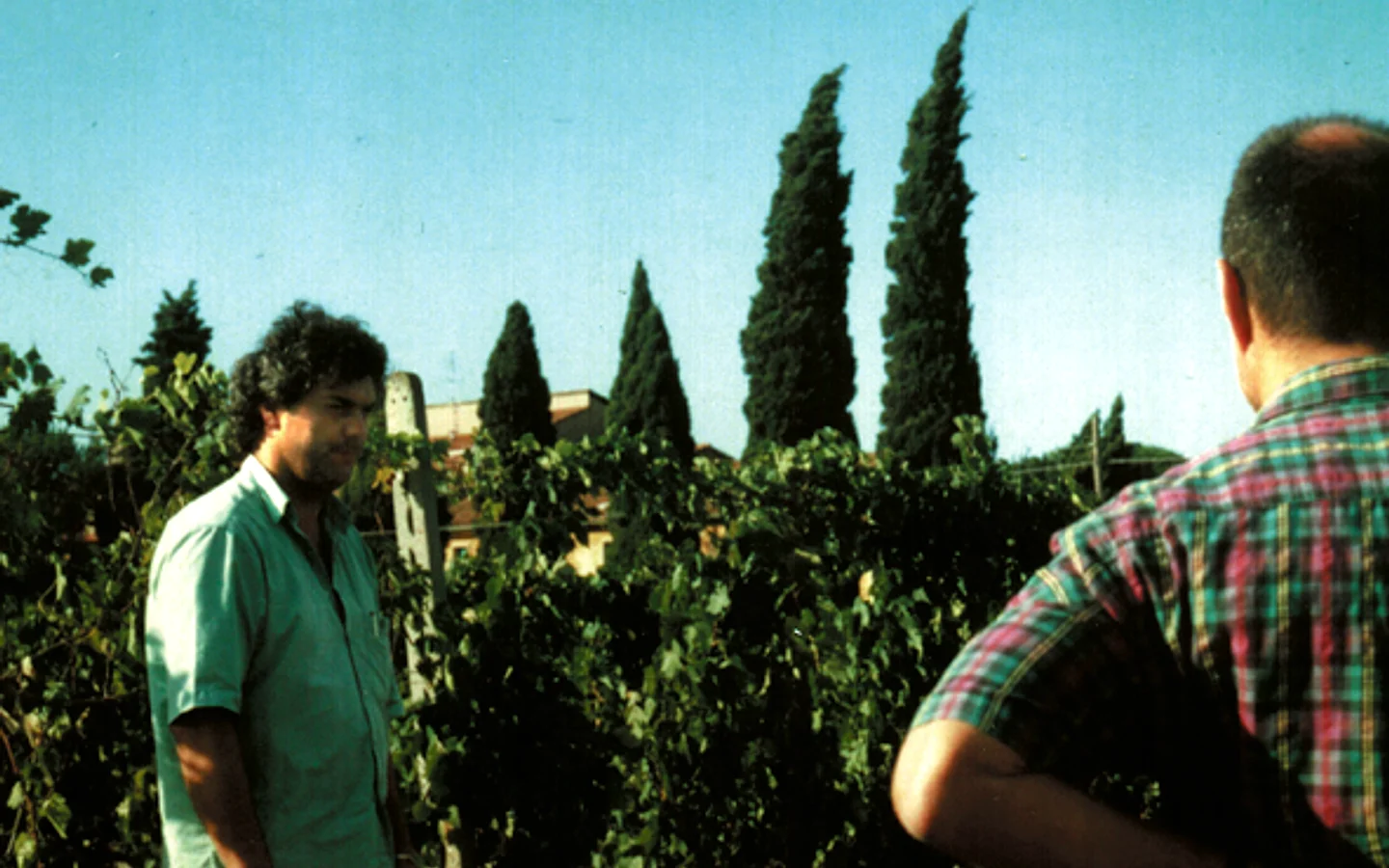
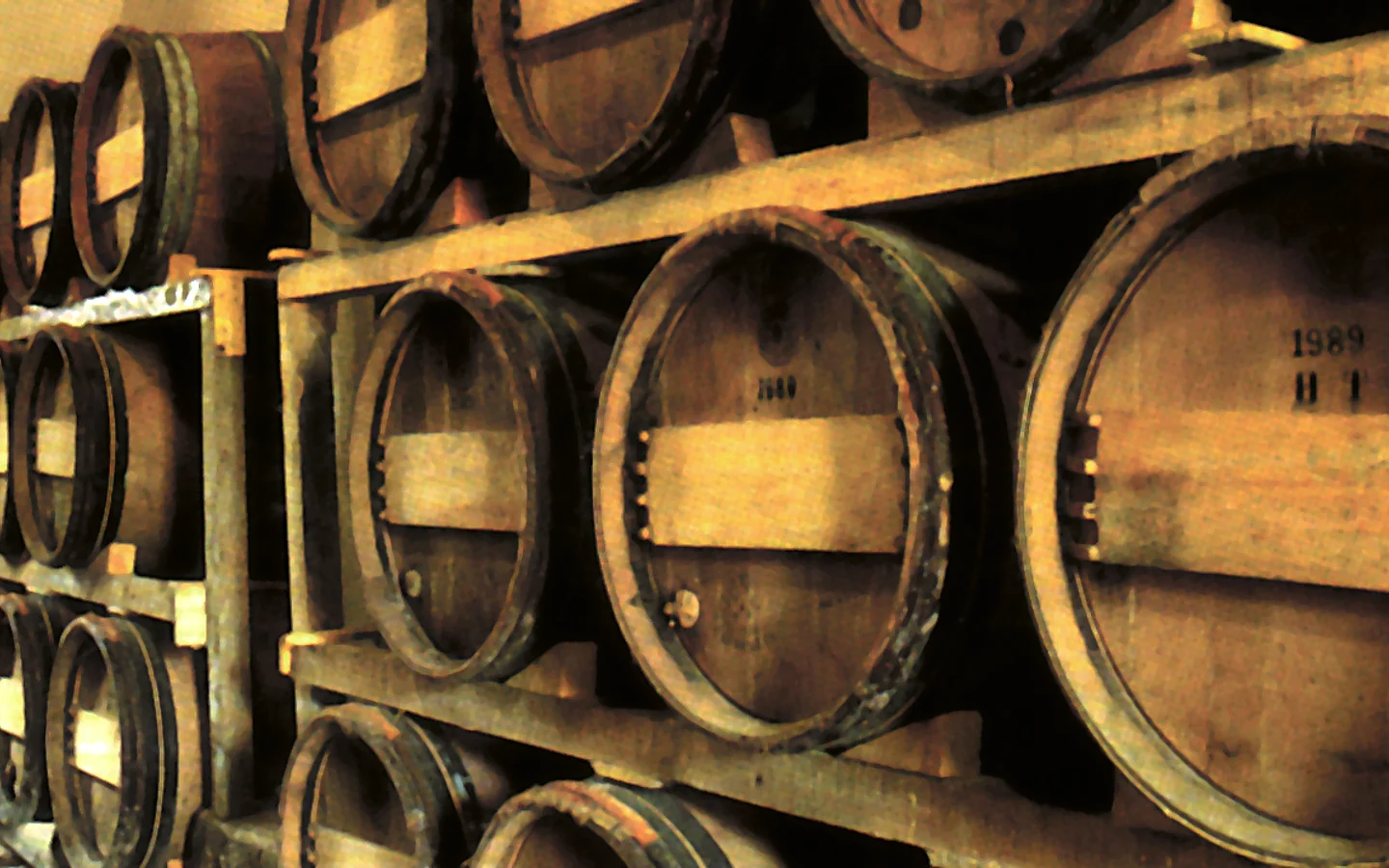
Wine and olive oil between the coast and Bolgheri
The route is not one attraction with one entrance. It is a broad landscape of producers, villages and country roads stretching south from the Livorno area through Bolgheri and the Val di Cornia.
For a half day, select one village and one producer rather than trying to collect names. Montescudaio and Riparbella are closer to Castiglioncello; Bolgheri and Castagneto Carducci make a longer food-and-landscape outing.
Ask whether you will see vineyards or cellar, how long the visit lasts, which language is available and whether food, olive oil or alcohol-free tasting is included. Confirm the address because estates may have more than one entrance.
A beautiful rural setting does not solve the return journey. Choose a designated driver, use a professional transfer or ask for a reduced or alcohol-free tasting. Do not expect rural public transport to fit a cellar appointment.
Cooking and local food without turning the day into a checklist
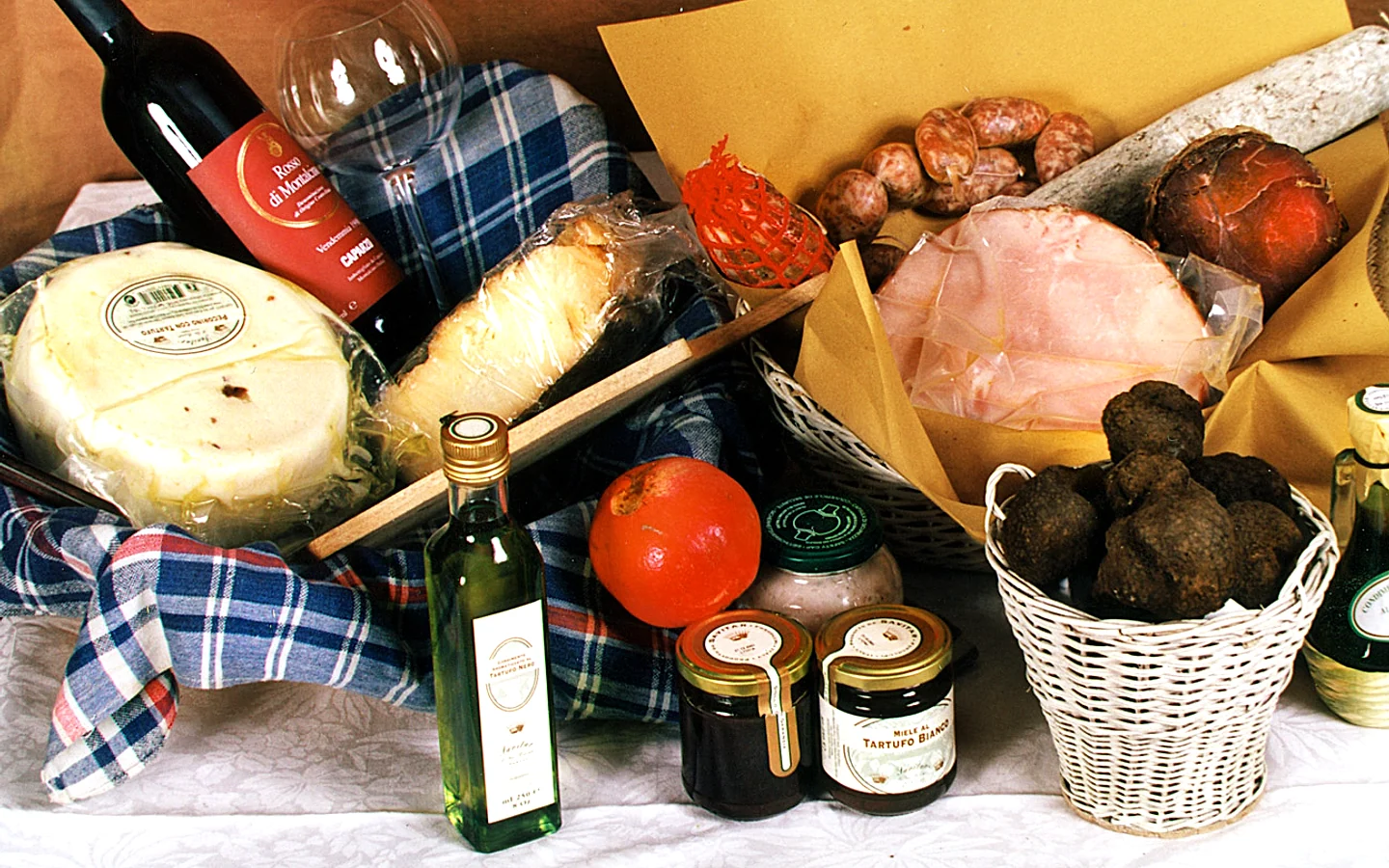
Food is already part of your Italian practice. A booked cooking experience can add depth, but markets, simple restaurants and conversations with local shops are just as valuable.
Ask who runs it, where it takes place, the working language, menu, hands-on time, dietary possibilities and whether the meal is included. A short demonstration and a practical class are very different experiences.
Look at what is in season and ask how people prepare it. Fish, vegetables, bread, cheese and local pastries can open conversations without requiring specialist vocabulary or a formal tour.
Seasonal sagre can be lively and sociable, but dates move and transport home matters. Check the municipal or regional calendar shortly before your stay rather than planning around a previous year’s event.
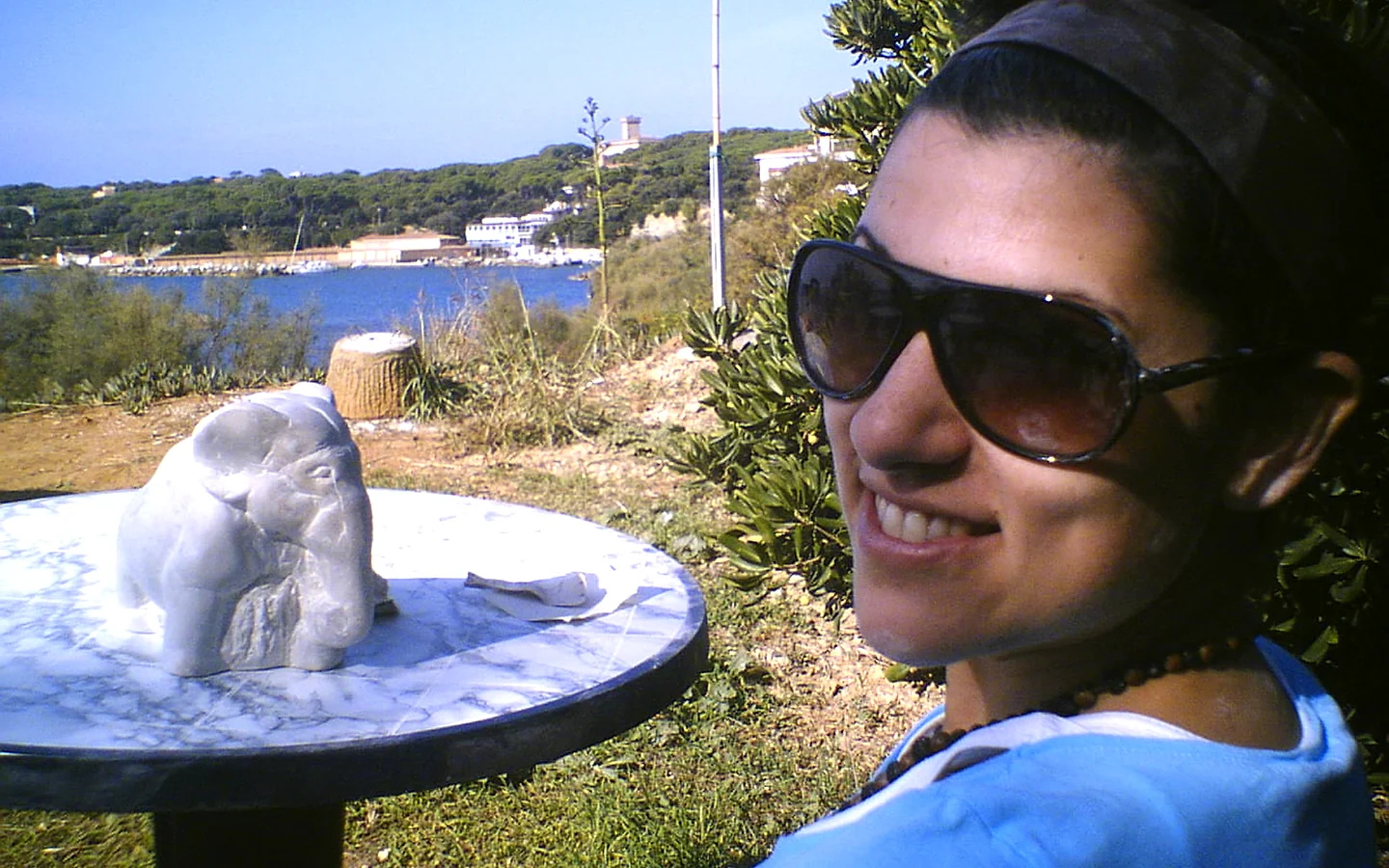
Painting, sculpture and the creative coast
Castiglioncello is a particularly fitting place to look at and make art. The Macchiaioli painted around this coast, while today’s workshops, studios and exhibitions connect the landscape with contemporary work.
Take a sketchbook to the pine park or coast and notice the changing light. You do not need an organised class to understand why artists were drawn to Castiglioncello.
Search local tourism and cultural calendars for painting, ceramics, sculpture, photography or craft. Ask whether materials are included and whether the workshop welcomes visitors joining on their own.
Pair a workshop with an exhibition, the Macchiaioli story or an inland craft village. This creates a more interesting day than treating a creative activity as an isolated add-on.
Questions that make an independent experience easier
A provider can answer much more accurately when your first message already contains the details that matter.
Give your preferred day, number of participants and languages. Say whether you are flexible and whether you would join another small group.
Ask what you will actually do, not only what the activity is called. Confirm duration, hands-on time, materials, food or tastings and what you take home.
Share dietary requirements and allergies before payment. For vineyards or workshops, ask about steps, uneven ground, standing time and accessible toilets.
Confirm the exact address, parking and final return. Rural visits may need a car or transfer, while an activity in Castiglioncello can often be combined with a walk or cafe.
Regional routes and current inspiration
Use these sources to discover an area or type of experience. Then contact the named producer, studio or organiser for current details.
Questions about food, wine and creative activities
Does Pasolini organise cooking or wine activities?
Not as a regular school programme. The ideas on this page are independent. We may share a public contact, but you book and pay the provider directly.
Can I visit a vineyard without a car?
Sometimes with a private transfer or tour, but many estates are rural and public transport is limited. Confirm transport before reserving the visit.
Can one person join a cooking or art workshop?
That depends on the provider and date. Ask whether individual participants can join an existing group or whether a private minimum applies.
Are tastings available in English or German?
Some providers offer several languages, while others work mainly in Italian. State your preferred language before booking and ask how much of the visit is guided.
Why are no providers or prices promised here?
Workshops, calendars, prices and participation rules change. This guide helps you search and compare, while the current provider confirms the binding details.
How can I connect the activity with my Italian course?
Learn a few useful words before the visit, ask at least one question in Italian and keep labels, recipes or notes for conversation in class the next day.