

Volterra: Etruscan history, alabaster and Tuscan views
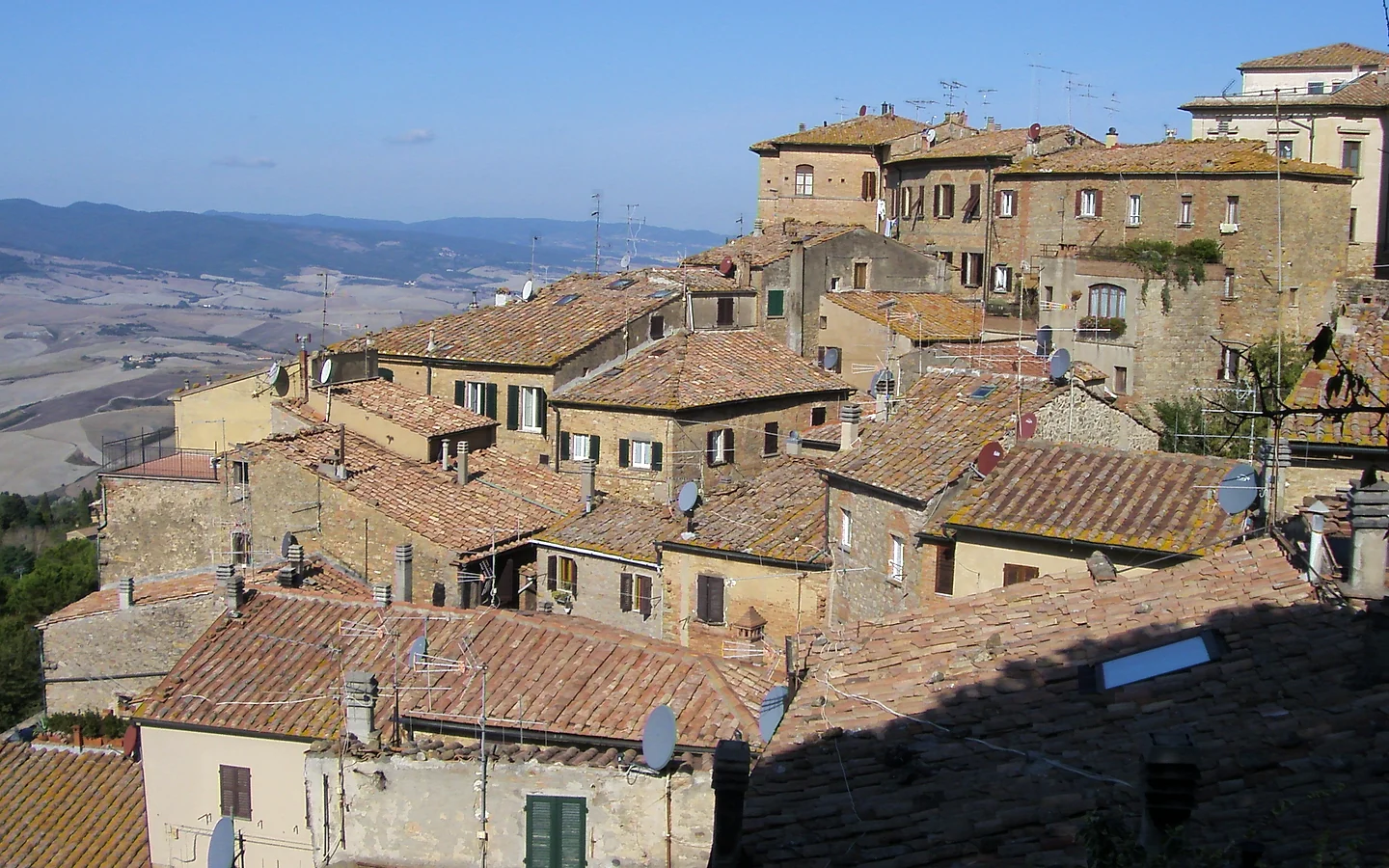
Volterra rewards curiosity from the first hour. Etruscan heritage, a Roman theatre, medieval stone streets and a living alabaster tradition sit within one compact hill town, surrounded by wide Tuscan views. It is a place to choose a few strong experiences, stop for lunch and let the streets connect them, not simply collect monuments.
Why a full day suits Volterra
The appeal is not one famous object. Volterra layers Etruscan, Roman and medieval history with craft, local life and a dramatic hill-town setting.
The Etruscan city of Velathri was one of the important centres of ancient Etruria. The Guarnacci Museum, walls, gates and archaeological areas make that history visible in different ways.
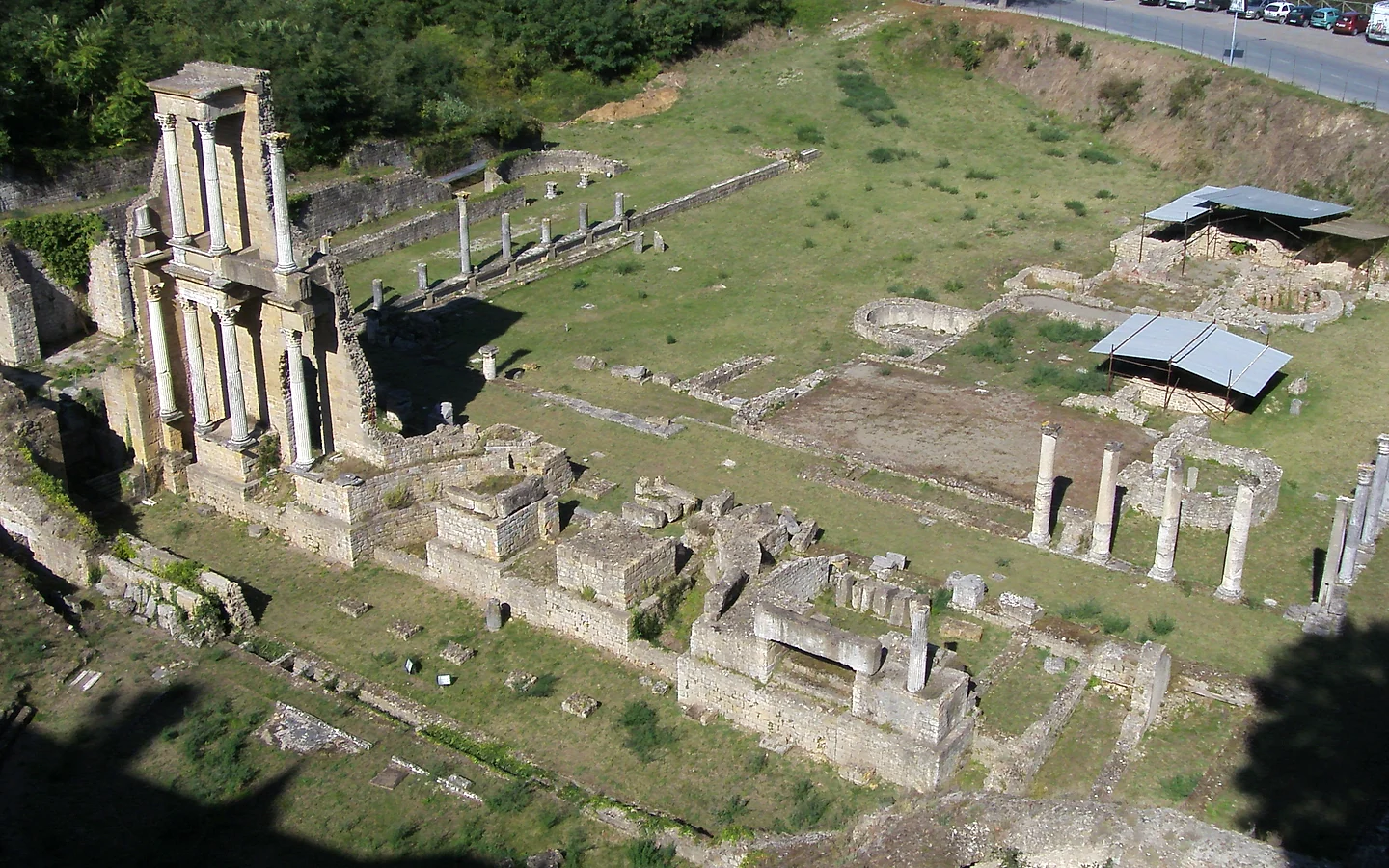
The excavated theatre below the historic centre preserves the stage structure, seating and parts of the adjoining baths, giving the Roman city a physical scale.
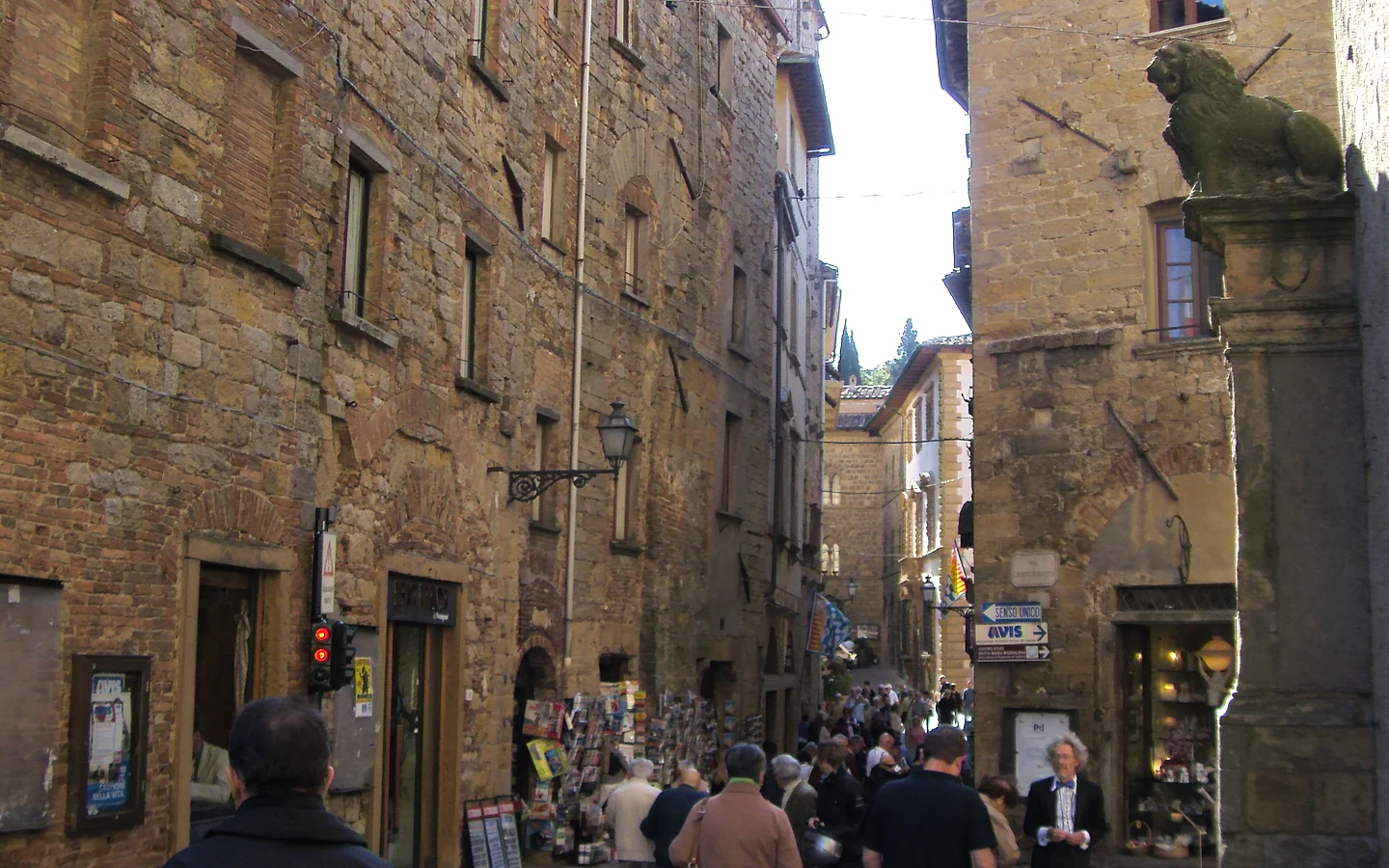
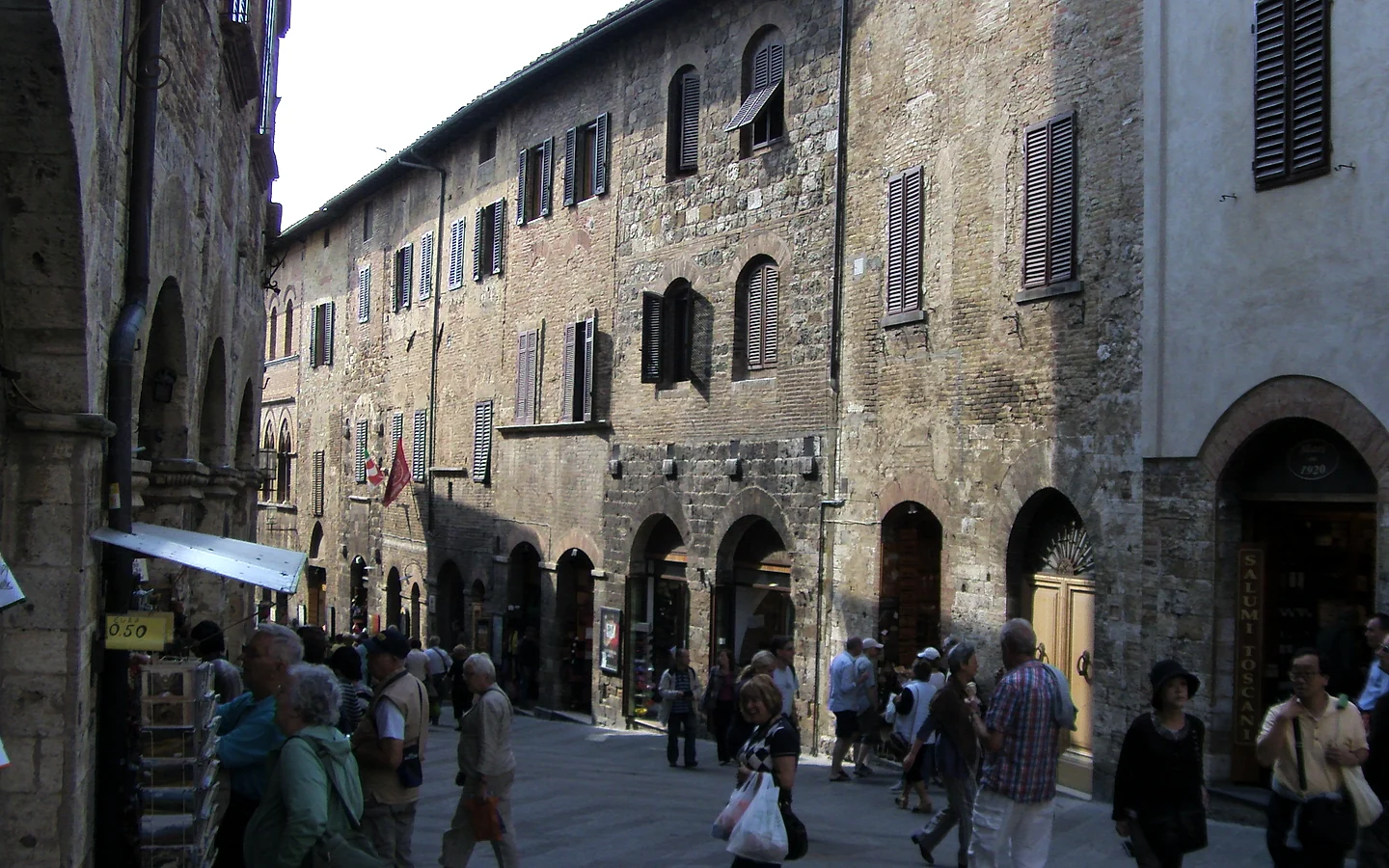
Stone facades, civic history and the Palazzo dei Priori form Volterra’s medieval heart. The square is strongest when you also follow the streets leading away from it.
Alabaster has been worked in Volterra for more than two millennia. Contemporary workshops and museum collections connect the material with the town rather than treating it as a generic souvenir.
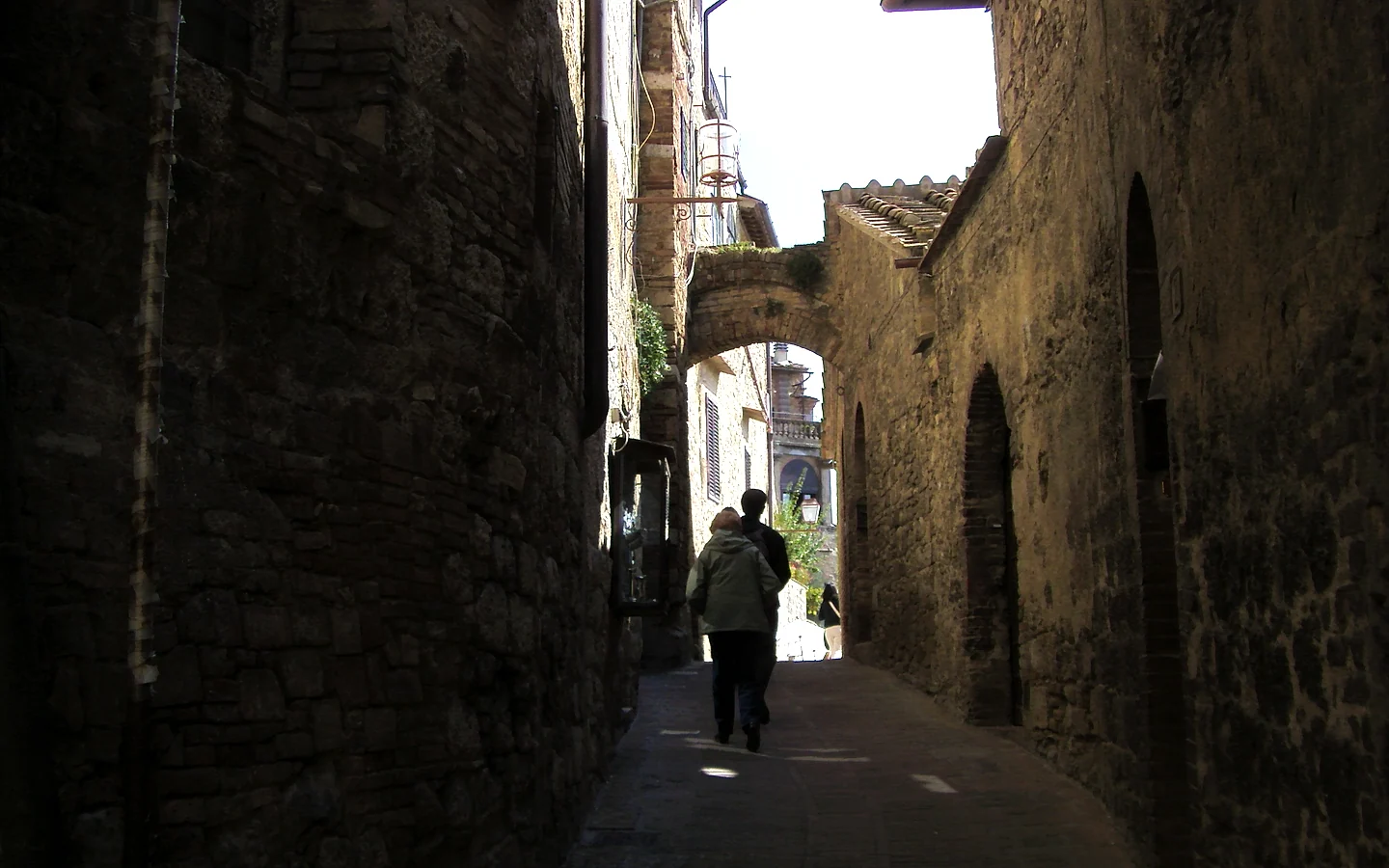
A Volterra day that gives the town time
Begin with the place itself, then choose one deep historical visit. This route keeps the day varied and avoids turning a compact town into a checklist.
- 01Start in Piazza dei Priori
Use the main square to understand medieval Volterra and the civic centre. Palazzo dei Priori was begun in 1208 and is described by Visit Tuscany as the oldest municipal building in Tuscany; check current access if you want to go inside or climb.
- 02Choose the Etruscans or the Roman Theatre first
The Guarnacci Museum contains an important Etruscan collection, including the Ombra della Sera. The Roman Theatre gives a powerful outdoor view of the city’s Roman period. Choose the one that matters most before adding the other.
- 03Make time for alabaster and lunch
Volterra’s alabaster tradition reaches back more than two thousand years. Look for a working artisan shop or the Alabaster Ecomuseum, then choose a simple lunch away from the busiest flow.
- 04End with streets, walls and views
Walk toward a gate, the archaeological area or a viewpoint and let the landscape close the day. Return to the car park or bus stop with enough margin for the downhill or uphill route.
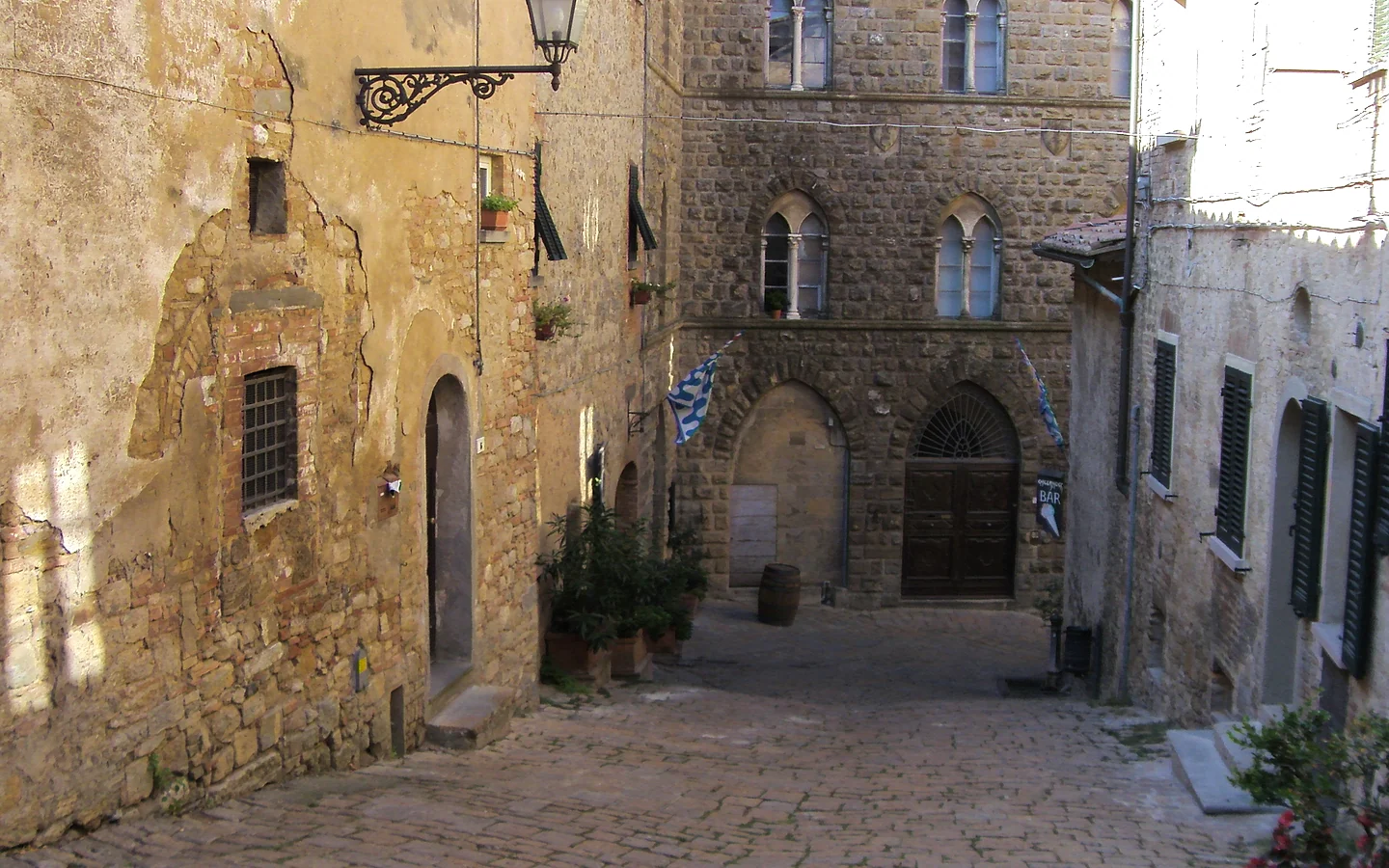
Use Italian while the town unfolds
Volterra gives you natural reasons to speak: asking about an object in an artisan shop, choosing lunch, checking a museum entrance or finding the route back to a gate.
A respectful question about technique, material or origin can start a friendly conversation. Browse first, then ask what is made locally and whether the workshop is active.
Look a street or two beyond the main square, read the daily menu and ask what is typical. A relaxed meal suits Volterra better than crossing town for a single famous recommendation.
Keep time for a church, a view, an archaeological detail or a quiet street that you discover yourself. That is where vocabulary from the course starts to feel lived rather than rehearsed.
Keep Volterra for a free day and choose the car when possible. It gives you the simplest journey and freedom to stop for the landscape, while official parking outside the historic centre keeps the final approach manageable. Public transport is possible by taking the train to Cecina and continuing on Autolinee Toscane line 790, but the outward and return connections must fit each other. Inside Volterra, choose one major museum, the Roman Theatre or Palazzo dei Priori, then leave time for alabaster workshops, lunch and the streets themselves.
Road values use current route tools and exclude traffic and parking. Museum hours, parking rules, trains and bus 790 must be confirmed through the linked official sources for the actual visit.
Choose the journey that suits your day
Car, train and local buses can all be useful. Choose the route that leaves time for the places you look forward to and a comfortable journey back.
The car is the most practical choice from Castiglioncello. The usual approach runs inland from Cecina on the SS68, and the landscape becomes part of the day. Your navigation destination should be an official public car park outside the historic centre, not Piazza dei Priori.
- Open the live route from Villa Casa Marina and check traffic before departure.
- Choose an official Volterra car park before leaving; Porta Fiorentina, Gioconovo, Macelli and the former station area are among the options listed by local tourism.
- Respect every ZTL sign and keep the vehicle outside the restricted historic streets unless you have verified authorisation.
- Save the parking location and allow for an uphill walk, steps or a longer route into the centre.
Volterra does not have a useful town-centre rail arrival. From Castiglioncello, the practical public-transport plan begins with a regional train to Cecina, followed by the extra-urban bus. Treat both legs as one journey and check the return before setting out.
- Search Castiglioncello to Cecina for your planned travel date.
- Choose a train that leaves enough time to reach the correct bus stop at Cecina station.
- Confirm the current regional-ticket and validation rules before boarding.
- Do not rely on the final possible connection without a workable alternative.
Autolinee Toscane line 790 connects Cecina station, Saline di Volterra and Volterra. It makes the trip possible without a car, but service patterns and connection times vary, so this is a timetable-led full day rather than a spontaneous afternoon.
- Open the current line 790 timetable and confirm the direction toward Volterra.
- Check the exact Cecina departure stop, ticket method and any service notices.
- Note the Volterra arrival stop and the walk into the historic centre.
- Plan the return bus and Cecina train together before adding another sight.
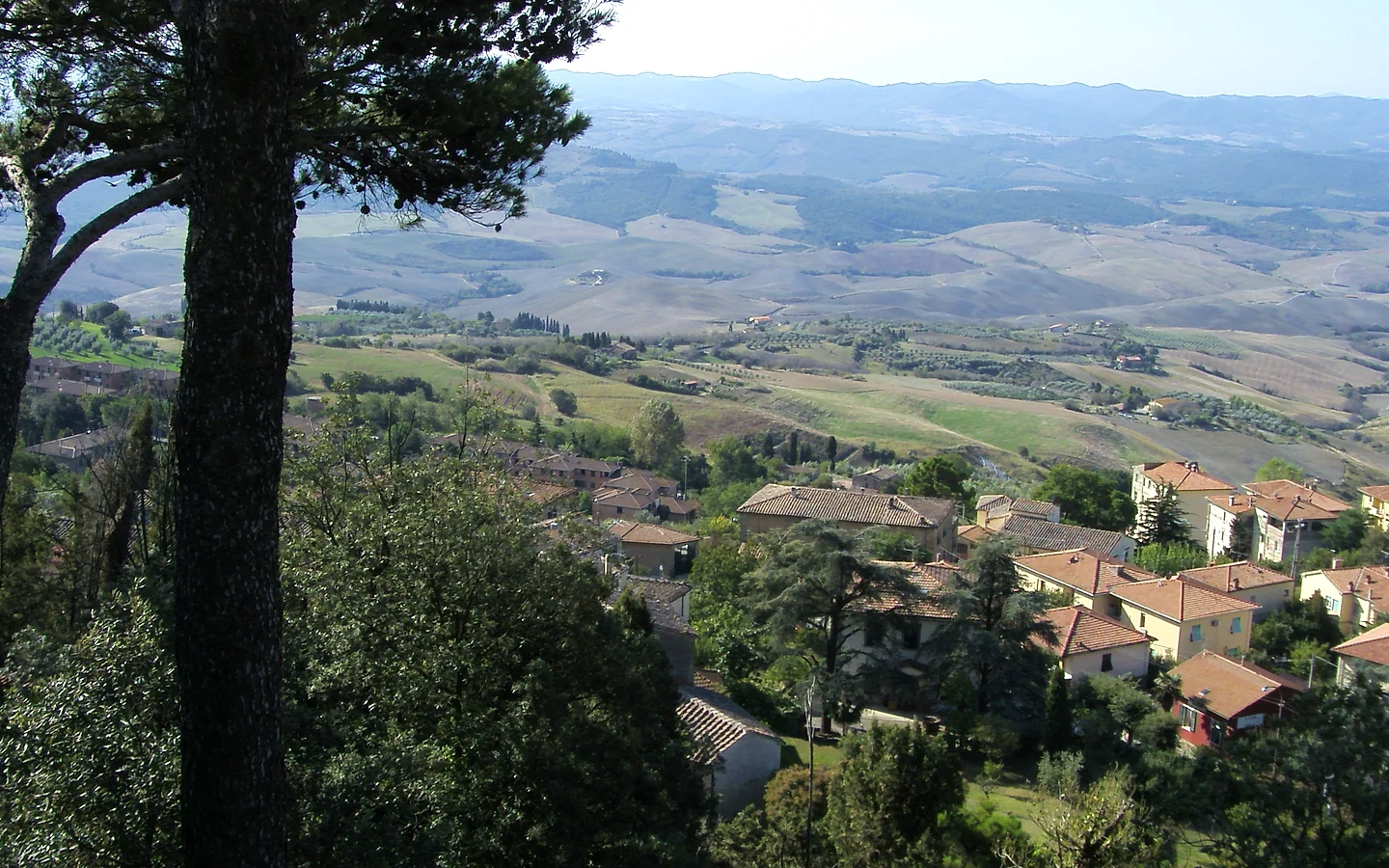
Plan the edges of the day, not every minute
Volterra is compact, but it is hilly and its transport requires decisions. Secure arrival, parking or connections and the return first; the centre can then remain pleasantly flexible.
The official tourism page lists the public parking areas and current conditions. At paid parking, follow the meter instructions, enter the number plate when required and display the ticket as directed.
The historic centre sits on a hill. Comfortable shoes, water and a comfortable pace matter, especially in summer or when the chosen parking area is below the main streets.
Opening periods and ticket arrangements vary between sites and seasons. Verify the one attraction you most want before building the day around it.
Drivers should remember the chosen gate and parking route. Public-transport travellers should keep line 790 and the Cecina rail connection together in the plan.
Questions about this day trip: Volterra
Practical answers for planning independently from Castiglioncello.
Can I visit Volterra after morning classes?
We recommend a free day. The drive is about an hour before parking, while public transport requires a train and bus connection. A full day leaves room for history, lunch, streets and the return without rushing.
Is a car necessary for Volterra?
No, but it is the simplest option and gives you freedom in the countryside. Without a car, take the train to Cecina and continue on Autolinee Toscane line 790, checking both outward and return connections for the actual date.
What should I see first in Volterra?
Begin with Piazza dei Priori, then choose either the Guarnacci Etruscan Museum or the Roman Theatre as the first substantial visit. Add alabaster, streets and views around that choice.
Where should I park in Volterra?
Choose an official public car park outside the restricted historic centre. The local tourism office lists options including Porta Fiorentina, Gioconovo, Macelli and the former station area; check the current page and the signs on arrival.
Who books transport and tickets?
You arrange the trip yourself and book directly with the transport operator, attraction or other provider. This page helps you prepare.