
Rome from Castiglioncello: two nights with time for the city
Rome is not a box to tick in one breath. The Colosseum opens one world, the Pantheon and great piazzas another, and the Vatican can hold your attention for half a day on its own. A long day trip is technically possible, but we recommend two nights. That gives the capital three distinct chapters and lets it become a memorable extension of your Italian language course rather than an exhausting race between trains, traffic and queues.
Four parts of Rome that each need time
Rome becomes easier when you stop treating it as one giant list. Divide the stay into distinct chapters and give each part of the city enough time.
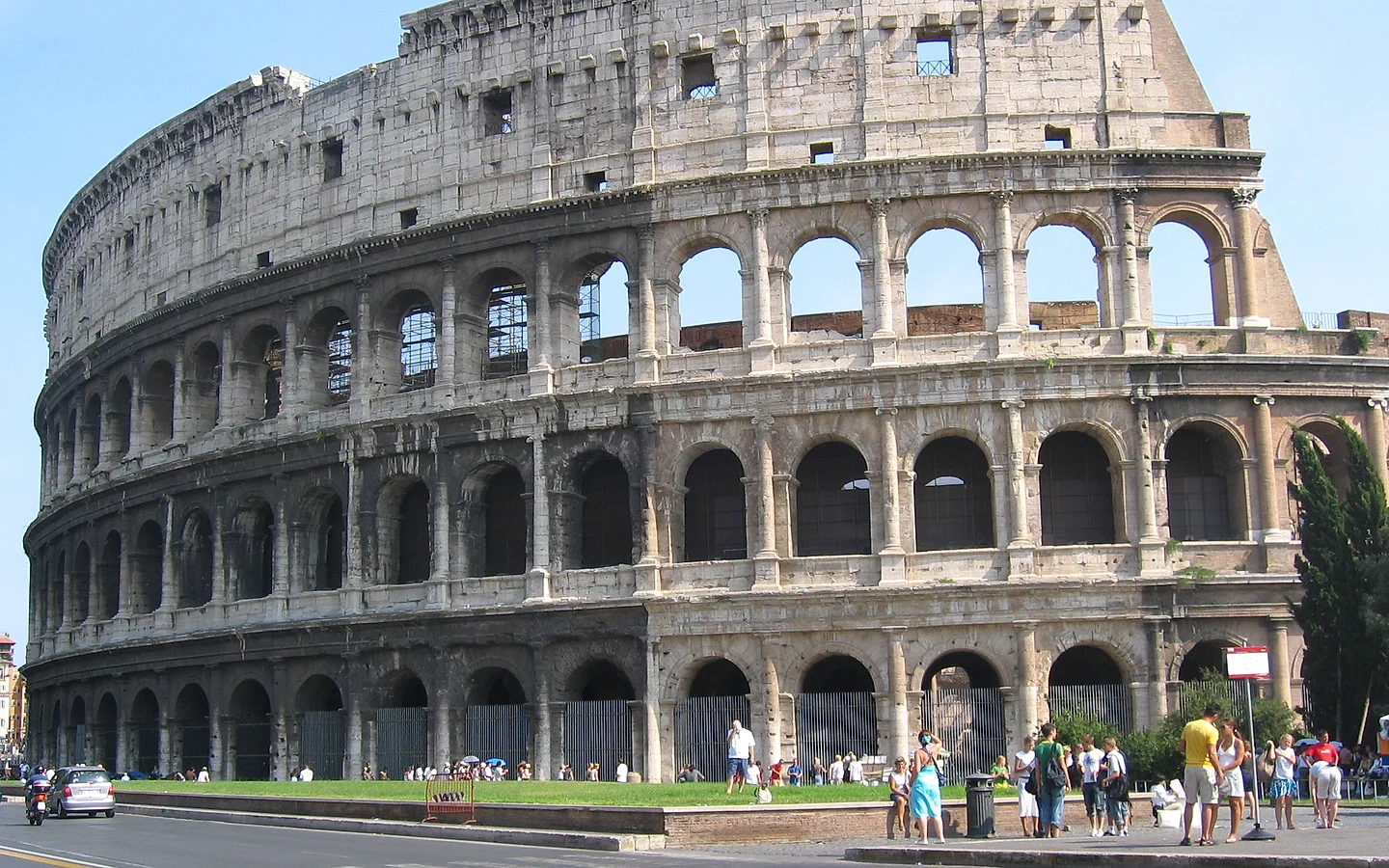
The arena is the famous image, but the Forum and Palatine reveal streets, temples, political space and imperial residences. Keep them together and resist scheduling another large museum immediately afterwards.
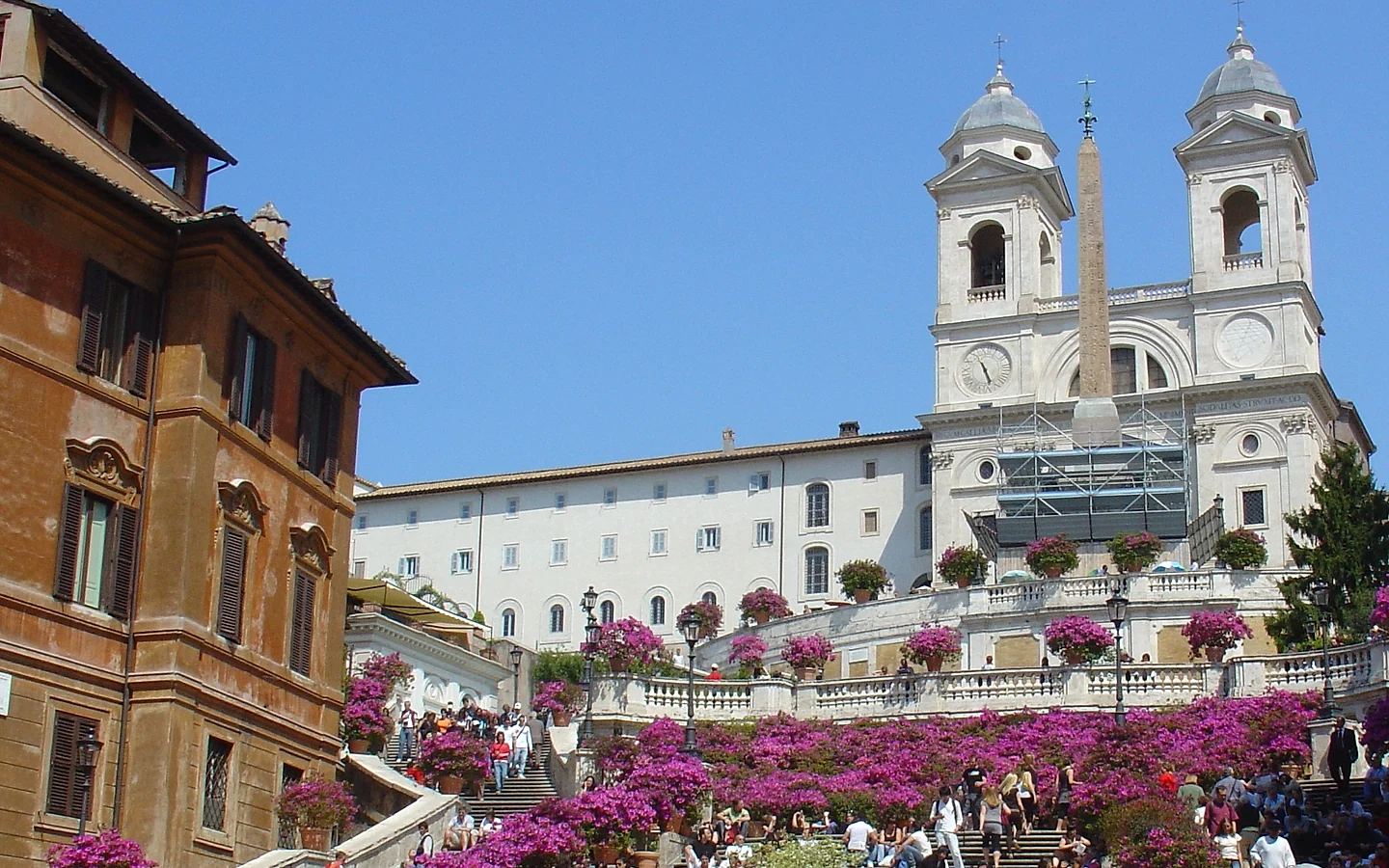
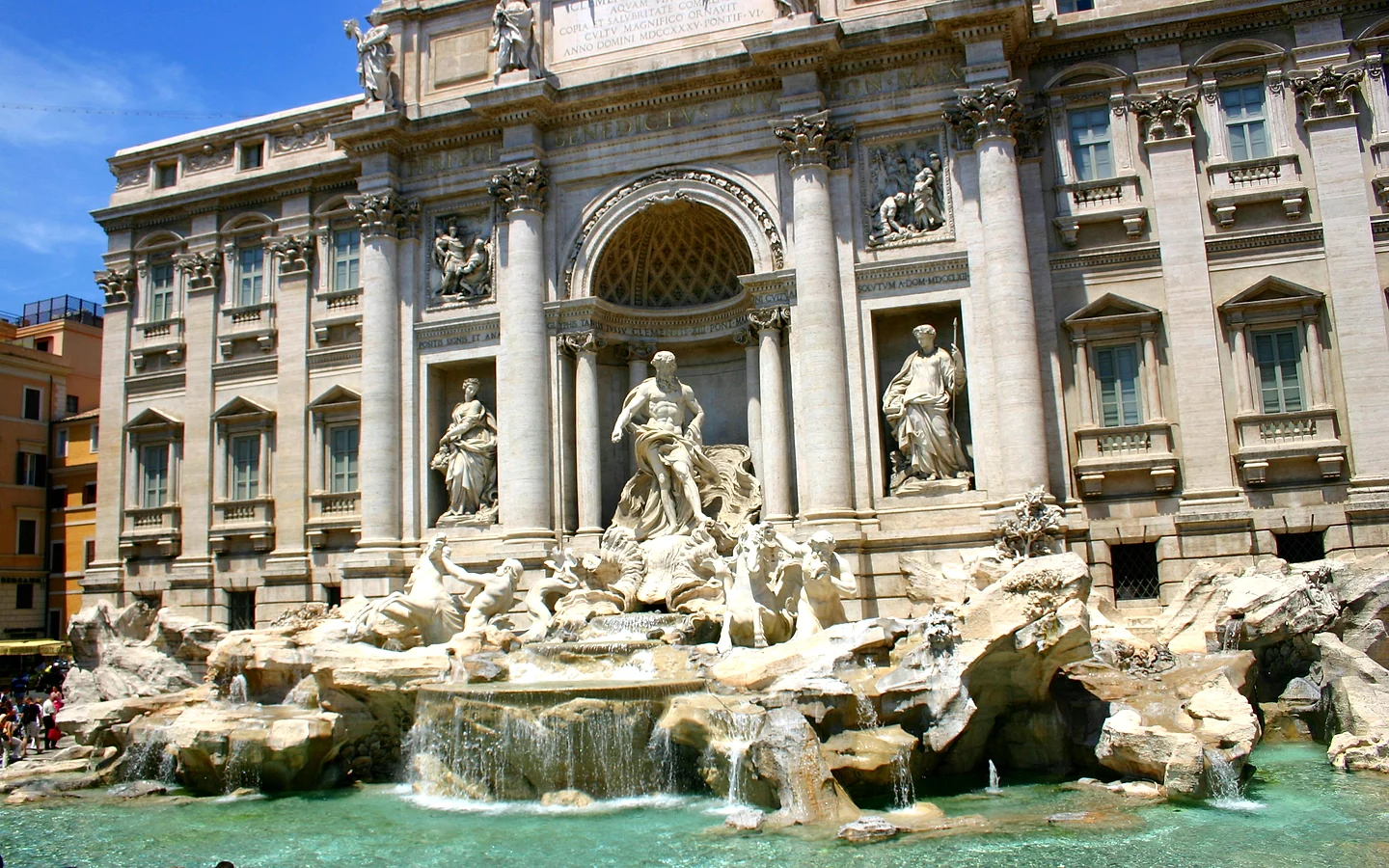
The Pantheon, Piazza Navona, Trevi and Piazza di Spagna can be connected by a beautiful walk. Their value lies as much in the streets, voices and changing scale between them as in the individual landmarks.
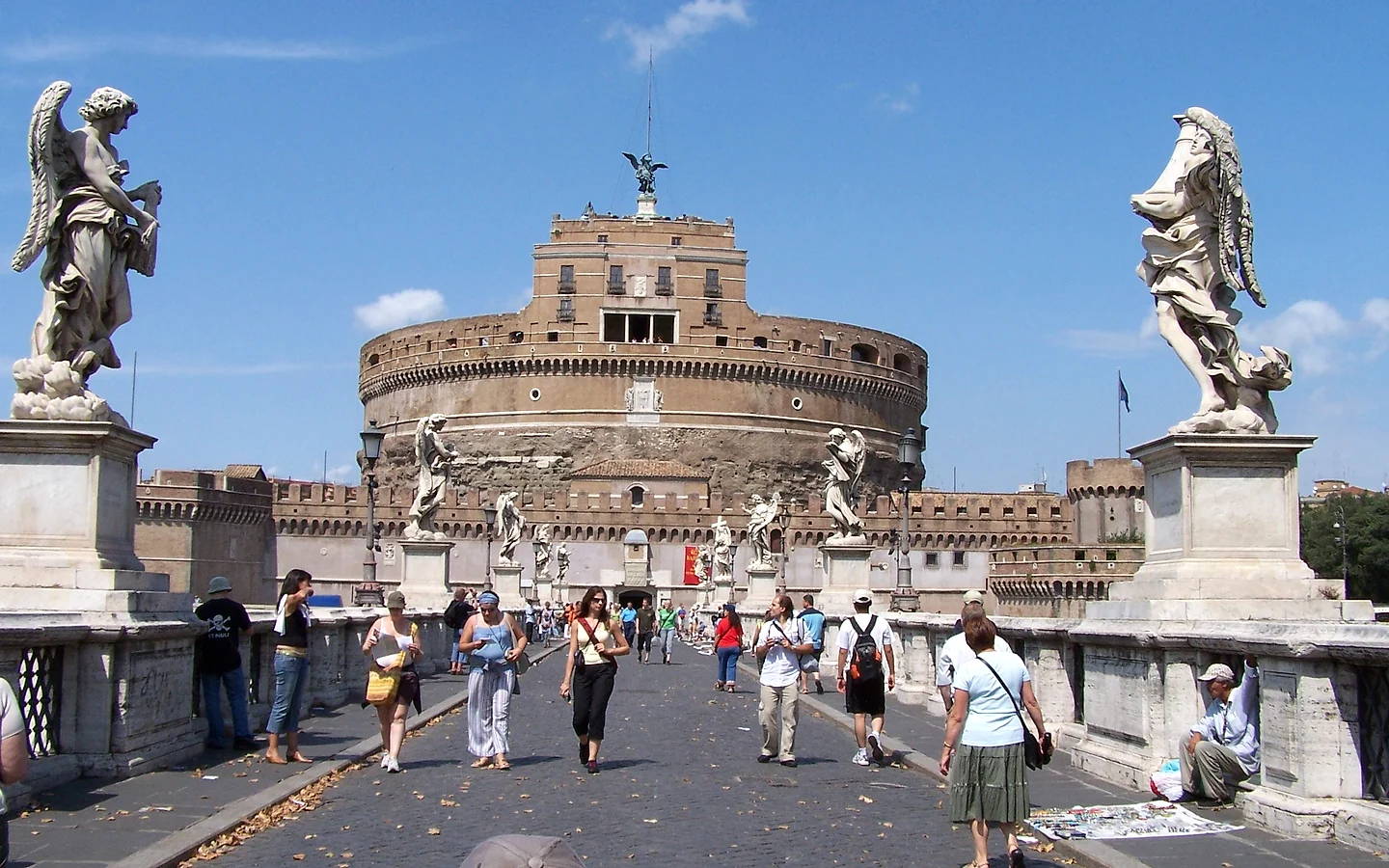
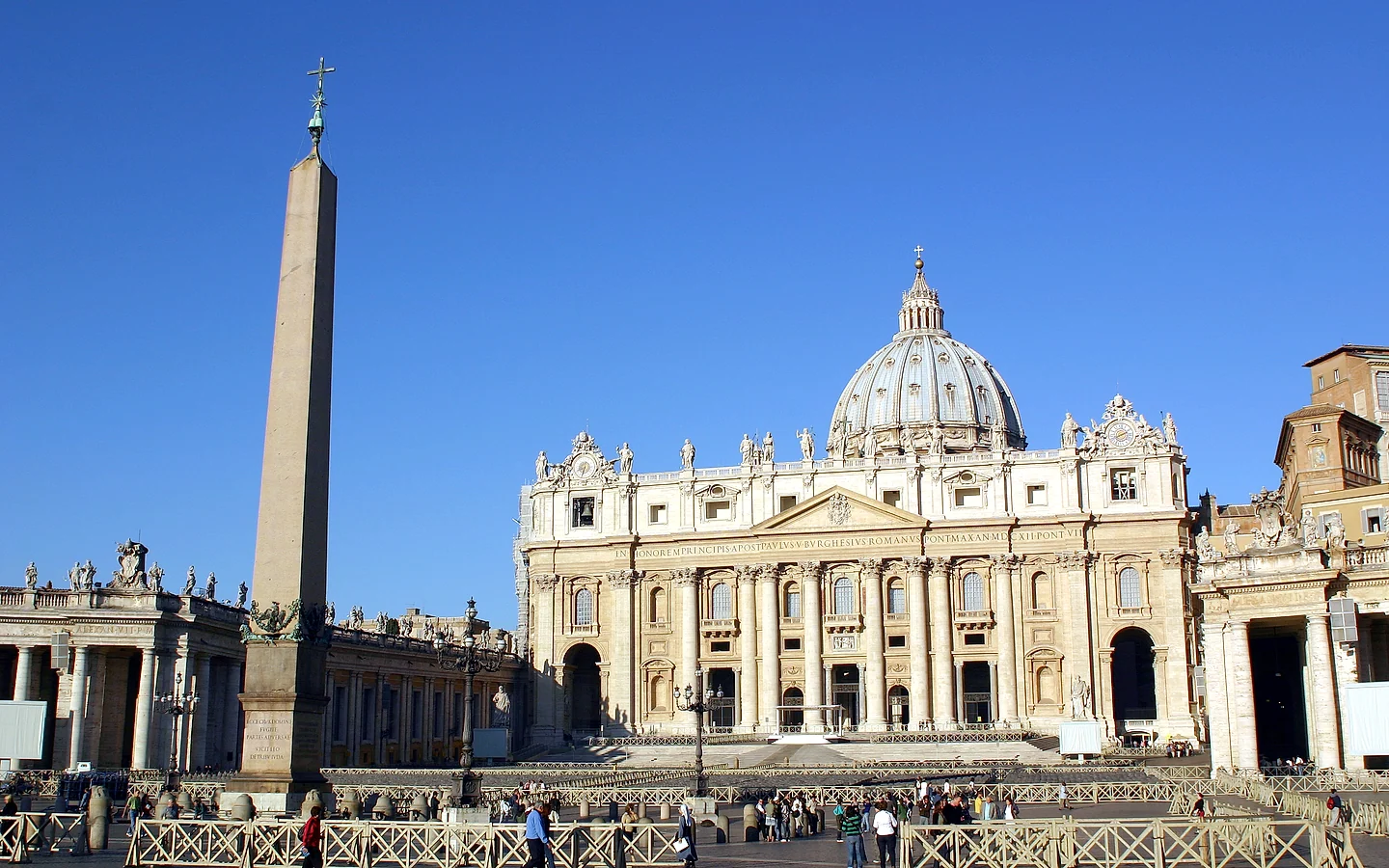
The Vatican Museums, Saint Peter’s and Castel Sant’Angelo form a second major landscape west of the river. Choose the parts that matter and leave room for security checks, walking and a proper meal.
Monti, Prati and Trastevere each offer a different evening. You do not need to collect all three. Select one that fits your day and let dinner, a piazza and ordinary conversation become part of the visit.
A Rome stay with two nights and three different moods
This plan works best before or after your course week, when arrival and departure can use substantial parts of the day. Book only the major interiors that matter most to you and let the streets between them remain part of the experience.
- 01Day one: enter Ancient Rome
Arrive, leave your luggage and begin with the Colosseum, Roman Forum and Palatine as one coherent archaeological world. Colosseum entry uses a compulsory time slot and official sales currently open 30 days before the visit. Give the whole area several hours, then walk toward the Capitoline viewpoint or settle into Monti for an uncomplicated first dinner.
- 02First evening: let Rome slow down
Do not add another major museum. Walk a familiar, well-lit route, eat where you can sit without watching the clock and notice the language around the table. A short evening near Monti, Campo de’ Fiori or Trastevere gives Rome a human scale after the monuments.
- 03Day two: choose the Vatican as the main event
Reserve the Vatican Museums through the official portal if the collections and Sistine Chapel matter to you, and allow a substantial half-day. Saint Peter’s Basilica is a separate visit with security screening and appropriate clothing. Afterwards, cross by Castel Sant’Angelo and the Tiber or spend the evening in Prati rather than attempting the entire historic centre as well.
- 04Day three: walk through the historic centre
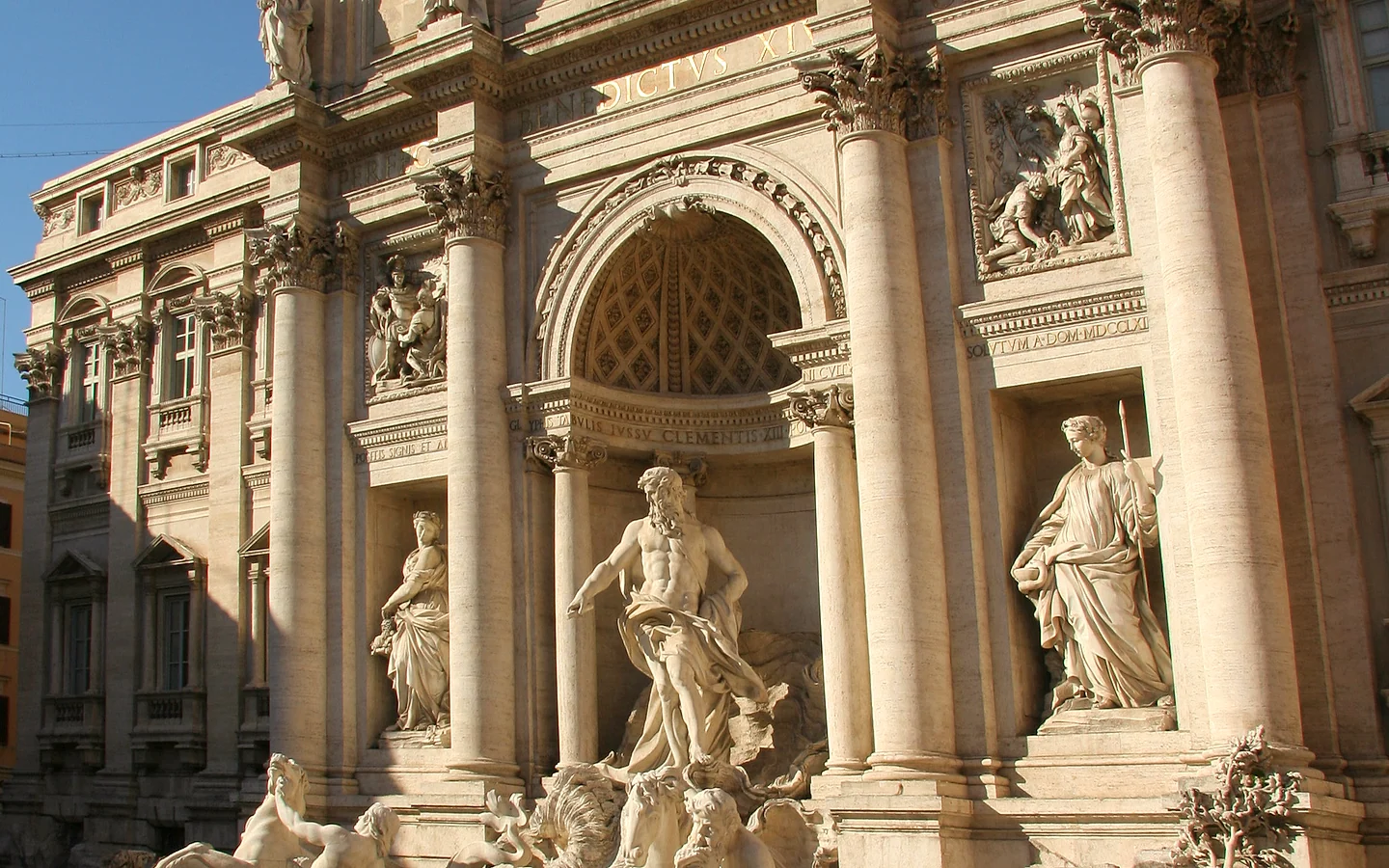
Link Piazza Navona, the Pantheon, Trevi Fountain and Piazza di Spagna on foot, with time for coffee, a church, a small street or lunch. The Pantheon is both an ancient monument and an active basilica with current ticket and worship arrangements. Access to the managed area closest to the Trevi basin may require a ticket during published hours, so check the current official rule before your visit.
- 05Return before the final hours become a race
Collect luggage and reach Termini or the car with a generous urban-transport margin. If you have a fixed train, protect it from one last unplanned queue. Leaving Rome with one neighbourhood still unexplored is far better than ending the stay in a sprint.
Make Rome part of your Italian, not a break from it
The capital can sound fast and international, yet small, specific exchanges still give you excellent ways to use what you learned in Castiglioncello.
At a station, museum or bar, begin with the practical detail you need: the platform, entrance, last admission or today’s dish. A short precise question is easier to understand in a busy place.
Carbonara, amatriciana, cacio e pepe and supplì are useful names, but quality does not depend on squeezing every Roman dish into two days. Ask what the kitchen recommends and choose a calm table away from the most pressured landmark frontage.
If you leave after the Friday language course, arrive for dinner and sleep twice in Rome. Give Saturday to either Ancient Rome or the Vatican, then use Sunday for the historic centre and the other major area only if tickets, energy and return fit comfortably.
Listen for a station announcement, note a phrase from a menu or describe the contrast between the Forum and a modern neighbourhood. Specific observations turn the trip into language you can use.
Attach Rome to the beginning or end of your course stay and give it two nights. Arrive with enough of the first day left for Ancient Rome, reserve the second day for the Vatican or another major collection, and use the final morning for the Pantheon, Piazza Navona, Trevi and the streets between them. If your dates only allow Friday after class until Sunday, two nights still work: arrive for dinner, choose one major world on Saturday and explore the historic centre on Sunday before returning. A same-day return should be treated as a reduced glimpse, not the recommended Rome experience.
Road and rail values are planning ranges only. Official Colosseum, Vatican, Pantheon and Trevi access, Rome ZTL and park-and-ride rules, trains, traffic, parking and opening times must be checked again for the actual visit.
Reach Rome in a way that leaves energy for Rome
The train delivers you into the city and is usually the easiest choice for a Rome-only stay. A car remains useful when Rome belongs to a longer Italian road trip, but accommodation, parking and every ZTL boundary must be resolved before arrival.
The route to central Rome is about 292 kilometres and the routing estimate is roughly 3 hours 50 minutes before traffic, breaks and parking. On a busy Friday or summer weekend, the journey can take much longer. Rome’s central ZTL is camera controlled. Choose accommodation with clearly confirmed parking and access instructions, or reserve an official garage outside the restricted streets. Never assume a hotel address makes an unauthorised ZTL entry legal.
- Open the current route from Villa Casa Marina and add a proper break, Rome traffic and the final parking procedure to the driving estimate.
- Ask the accommodation in writing where the car may be left and whether any licence-plate registration is included.
- Use the garage or parking facility itself as the navigation destination and treat every illuminated ZTL sign as a firm boundary.
- Leave the car parked during the stay and use walking, Metro, tram or bus for the centre; check overnight rules before using a park-and-ride facility.
Current searches show several daily journeys from Castiglioncello to Roma Termini, with the fastest examples a little over three hours and many useful options around three and a half to four and a quarter hours. The usual pattern combines a regional train with an Intercity or Freccia service, often changing at Cecina or Campiglia Marittima; some dates produce a different connection. A long-distance ticket includes a specific train and seat, so compare the whole journey and buy earlier when a fixed, cheaper fare suits your plans.
- Search Castiglioncello to Roma Termini for the exact outward and return dates and compare total duration, changes and fare conditions.
- Prefer one well-timed change with a sensible margin over the cheapest chain of separate, fragile connections.
- Check whether every segment appears on one booking and follow the current check-in or validation rule for any regional leg.
- Choose accommodation from the station and local-transport route you will actually use, then save the return train before exploring the city.
Book the anchors, keep the rest of Rome flexible
Two nights remove the worst hurry, but Rome still rewards a few firm decisions. Reserve only the scarce essentials, keep every confirmation together and expect to walk more than the map suggests.
Colosseum tickets are nominative and require the booked time slot; carry the identity document requested by the official rules. The Vatican Museums explicitly warn that their own ticket portal is the only official online seller. Check names and conditions before paying.
From Termini, a place near Metro A or B can simplify a short stay. With a car, written parking and ZTL instructions matter more than a romantic address. Check stairs, late arrival and luggage storage when they affect your journey.
The historic-centre ZTL has daytime restrictions and additional night controls on specified days; rules for vehicle types can change. Read the live sign and official page. A navigation app, electric car or foreign licence plate does not by itself grant access.
Metro, bus and tram tickets cover different time periods, and walking is often fastest inside the historic centre. Buy through an official channel, validate as required and check live disruptions instead of building the day around a perfect theoretical connection.
Stone, queues and summer sun make a Roman kilometre feel longer. Carry water, use the city’s drinking fountains appropriately, wear supportive shoes and keep valuables controlled in crowded transport and landmark areas without letting caution dominate the experience.
Questions about adding Rome to your language-course stay
Practical answers for planning independently from Castiglioncello.
Can Rome be visited as a day trip from Castiglioncello?
It is technically possible with a very early departure and late return, but we do not recommend it for a first visit. Around six to eight hours of return travel leave too little room for queues, a major monument and the city itself. Stay two nights.
Why do you recommend two nights in Rome?
Two nights let you separate Ancient Rome, the Vatican and the historic-centre walk. They also absorb the arrival and departure journey so you are not forced to choose every moment by the clock.
Can I go to Rome from Friday after the language course until Sunday?
Yes. The group course ends at 13:50, so an afternoon train can bring you to Rome for dinner. Use Saturday for one major area and Sunday for the historic centre before a well-buffered return. It is shorter than the ideal three useful days, but two nights make it worthwhile.
Is the train or car better from Castiglioncello to Rome?
For Rome alone, the train is normally easier because Roma Termini connects directly to urban transport and you avoid parking and ZTL risk. The car is useful when Rome is part of a longer road trip or your accommodation has confirmed parking outside restricted access.
How long does the train take?
Current journey searches show fastest examples a little over three hours and many useful connections around three and a half to four and a quarter hours. The exact pattern and price depend on the date, long-distance train and change, so search both directions before booking.
Should I book the Colosseum and Vatican Museums in advance?
Yes when either is essential. The Colosseum uses a compulsory entry time and currently releases tickets 30 days ahead. The Vatican Museums should be booked only through their official ticket portal. Recheck both rules for your dates.
Can I drive to a hotel inside Rome’s ZTL?
Only when access is properly authorised and any required licence-plate procedure has been confirmed. Ask the accommodation in writing before arrival. Otherwise navigate to an approved garage or parking location outside the restricted streets.
Who books transport, accommodation and tickets?
You arrange the Rome extension yourself and book directly with the railway, accommodation, attraction or other provider. This page helps you prepare.